Language

Language



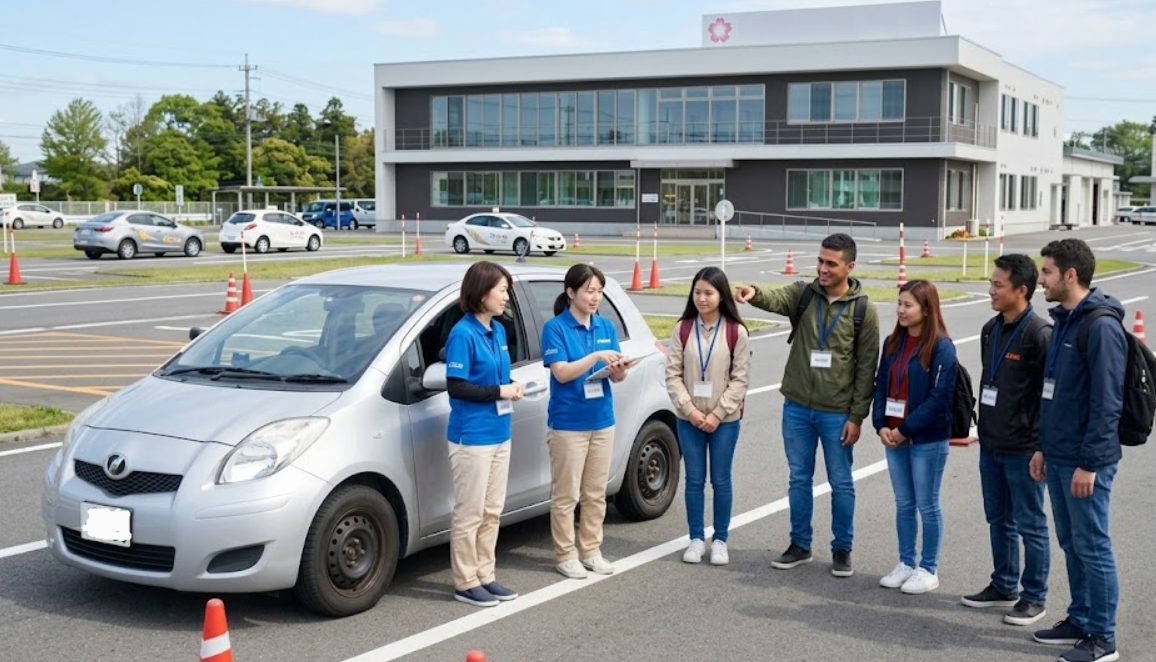
For foreign nationals who wish to obtain a driver’s license in Japan, “driving school camps for foreign nationals” are a valuable option for efficiently acquiring a license in a short period. However, there are many points to understand in advance, such as residency status, required documents, and written examinations in Japanese. This page systematically explains how foreign nationals can obtain a driver’s license through driving school camps, covering the overall process, how to select a driving school, considerations by nationality, and tips for self-preparation.

Driving school camps for foreign nationals are programs designed to make it easier for foreign citizens to obtain a license in Japan, with language support and assistance tailored to their needs. The key feature is the ability to study both theory and practical skills intensively in a short period.
The main support services include:
Common mistakes include:
Confirming the support system in advance is key to obtaining your license quickly.
Driving school camps for foreign nationals primarily focus on regular automobile licenses, with a choice between AT (automatic transmission) or MT (manual transmission). While AT is sufficient for daily use, MT may be required for certain jobs.
The main types include:
Common mistakes include:
It is important to clarify the requirements and your purpose in advance.
When applicants from Vietnam, China, and other countries participate in driving school camps, it is essential to confirm the prerequisites. Eligibility may vary depending on visa and residency status, so careful attention is required.
The main points to confirm include:
Common mistakes include:
Organizing the prerequisites in advance is key to smooth participation.

Before foreign nationals use a driving school camp, it is important to confirm residency status and organize documents. Advance preparation can prevent issues after application.
The main required documents include:
Common mistakes include:
Confirming documents and residency status in advance is key to proceeding with confidence.
The process for driving school camps is the same for foreign nationals. After enrollment, aptitude tests and training begin. In the first stage, on-campus training and written lessons proceed, and upon passing the completion examination and provisional license test, you advance to the next stage.
The main steps include:
AT typically takes a few weeks, while MT takes slightly longer.
Proceeding with a flexible schedule is key to smooth graduation.
Even after graduating from the driving school, the license is not issued. You must complete the final license procedures at the license center. The typical process involves passing the final written examination and aptitude test, after which the license is issued on the same day.
The main procedures include:
The examination is primarily in Japanese, but some foreign language support is available.
Completing the procedures promptly after graduation is key to obtaining your license smoothly.
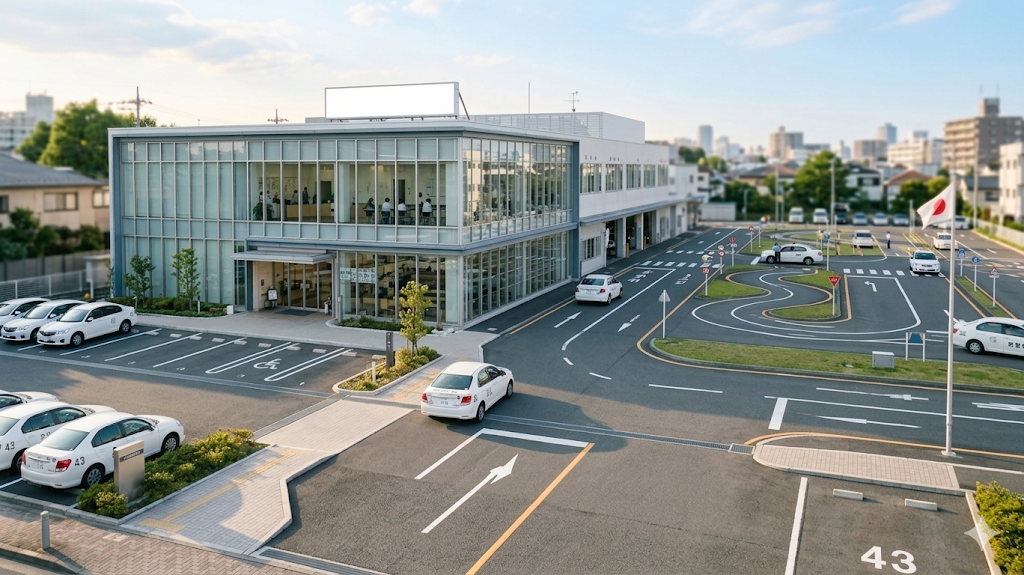
For driving school camps for foreign nationals, it is important to confirm not only the cost and location but also language support and assistance systems. Written lessons contain specialized terminology, and the ease of understanding depends on whether the environment is conducive to learning.
The main checkpoints include:
Confirming these details during inquiries provides peace of mind.
Confirming the quality of language and daily life support is key to selecting the right driving school.
Because driving school camps are designed for intensive license acquisition in a short period, differences in cost, duration, and facilities significantly affect the satisfaction of camp life. For foreign nationals, differences in cost of living compared to their home country and the difficulty of gathering information in Japanese make it essential to organize and compare details in advance.
These points are related not only to cost but also to your lifestyle and purpose of staying in Japan. To focus on written and practical training, it is advisable to visualize in advance whether the camp environment will be stress-free.
Applicants from Vietnam and China frequently use driving school camps, but they often struggle with the difficulty of written terminology and Japan-specific traffic rules. Signs and priority roads can take time to become familiar with.
The main strategies include:
Learning with awareness of differences from your home country is key to deepening understanding.
Applicants from Indonesia and Nepal often notice differences in Japan’s traffic rules. Pedestrian priority and stopping at crosswalks are particularly important, and drunk driving is strictly regulated.
The main points include:
Understanding the system is also important.
Understanding Japan’s rules from the beginning is the foundation of safe driving.
Foreign nationals often struggle with the language of written examinations. Long sentences and similar expressions can be difficult to understand, and even if you understand the content, your score may not improve.
The main strategies include:
Preparation before the camp is also effective.
Studying using both your native language and Japanese is the shortcut to passing.
Advance preparation is essential for smoothly proceeding with a driving school camp. For foreign nationals, confirming documents, residency status, and Japanese language proficiency is particularly important.
The main preparations include:
Early preparation expands your options.
Thorough advance preparation is key to a smooth driving school camp experience.
During the camp period, communication with staff and other participants is important. Misunderstandings can occur due to language and cultural differences, but they can be prevented with effort.
The main points include:
Early sharing and confirmation are key to preventing issues.
After obtaining your license, driving in accordance with Japan’s rules is required. Violations and accidents affect not only yourself but also those around you, so it is important to always be aware of legal compliance.
The main points include:
Maintaining awareness of driving that aligns with Japan’s rules and societal expectations is the foundation of safety.
Japan License Connect is a service that provides information to help foreign nationals compare driving schools by language support and assistance when obtaining a license in Japan.
The main features include:
The ability to smoothly find a driving school that matches your language and needs is a major advantage.
Japan License Connect provides not only driving school information but also official guides that organize the license acquisition process. The guides clearly outline what to do at each step, from before enrollment to the final written examination after graduation.
The main points include:
Information available in your native language or an easily understood language facilitates smooth advance preparation.
Japan License Connect offers extensive information for comparing driving school camps for foreign nationals by various conditions. You can select a driving school that suits your needs by confirming language support, assistance systems, license types, camp duration, and estimated costs.
The main features include:
By utilizing the information, you can efficiently proceed from selecting a driving school camp to obtaining your license.
For foreign nationals who wish to obtain a driver’s license in Japan, driving school camps are a valuable method for intensive study in a short period. However, there are points that require advance confirmation, such as residency status, documents, examination language, and driving school support systems.
The main preparation points include:
Early information gathering and preparation are the first steps toward obtaining a driving school camp license that suits your needs.
Japan License Connect offers extensive comparisons of driving schools with foreign language support and provides information that is easy to understand for foreign nationals from Vietnam, China, and other countries. With official guides and support, we assist you in obtaining your license with confidence.
 関連記事
関連記事 Feel free to contact us with any questions.
 For individuals